

Honoring LGBTQ+ History Month in San Diego with Stepping Stone of San Diego
Part 1: Recovery in the Shadows
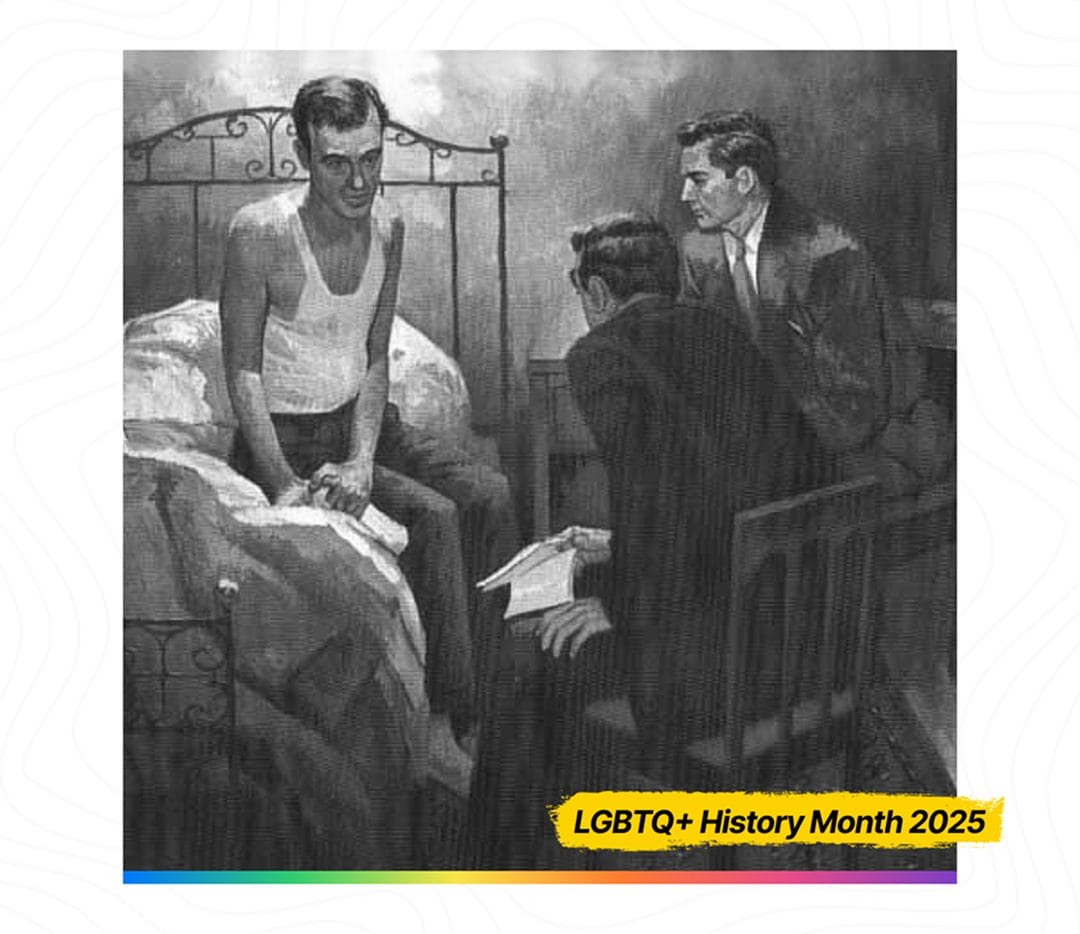
In the early days of organized recovery — the 1930s through 1960s — LGBTQ+ individuals faced an impossible choice: hide who you were to get help, or go without treatment altogether. Many early recovery programs were explicitly unwelcoming. Some required you to “address” your sexual orientation as part of recovery. Others simply made it clear through hostile language and assumptions that queer people didn’t belong.
So our community did what it has always done: we created our own networks of support. In living rooms, through whispered phone numbers, in unofficial meetings — wherever we could be honest about our lives while supporting each other’s sobriety.
The barriers our community faced weren’t personal failings. They were systemic discrimination that made recovery harder to access and harder to sustain. And they’re a big reason why LGBTQ+ individuals still experience substance use disorders at 2-4 times the rate of the general population.
At Stepping Stone, we honor this history by ensuring no one has to hide who they are to recover. Recovery flourishes when people can be their authentic selves — something our community has known all along.
Part 2: The AIDS Crisis & Community Resilience
The 1980s and early 1990s brought unimaginable loss to LGBTQ+ communities. The AIDS crisis didn’t just take lives — it devastated the recovery networks our community had spent decades building.
Many people turned to substances to cope with grief, fear, and the trauma of watching friends and partners die. At the same time, discrimination in healthcare meant LGBTQ+ individuals often couldn’t access compassionate treatment for either HIV or addiction. Traditional recovery programs sometimes blamed people for their diagnosis or refused to serve them at all.
And within this crisis, not all communities were impacted equally. Black, Latinx, and other communities of color faced even greater barriers — less access to care, more stigma, and fewer resources — yet they became the backbone of grassroots organizing and mutual aid when larger systems failed.
But here’s what never gets said enough: in the midst of unimaginable tragedy, our community built infrastructure that still supports recovery today.
Our community created harm reduction programs when the government wouldn’t. We organized sober social spaces when bars were the only safe gathering places. We showed up for each other’s recovery the same way we showed up for each other’s hospital rooms and funerals — because community care wasn’t optional, it was survival.
The AIDS crisis taught us that recovery must address trauma, that healthcare must be affirming, and that community connection literally saves lives. Those lessons shaped everything we do at Stepping Stone.
We remember those we lost. We honor those who kept building. And we commit to continuing their legacy of care that sees the whole person.
Part 3: The Science Catches Up
For decades, LGBTQ+ people knew something the research hadn’t validated yet: that our recovery needs were different, and that we needed spaces where we could be ourselves.
By the late 1990s and early 2000s, the science finally started catching up to what our community already understood. According to national studies by organizations like SAMHSA and the CDC:
- LGBTQ+ individuals experience substance use disorders at 2–4 times the rate of the general population — not because of personal failing, but in part because of discrimination and trauma.
- LGBTQ+ youth are 3–4 times more likely to attempt suicide, with substance use often connected to mental health struggles stemming from rejection and lack of acceptance.
- Traditional recovery programs that ignore identity or ask people to hide who they are often see poorer outcomes for LGBTQ+ clients.
- Recovery programs with LGBTQ+-specific programming, culturally competent staff, and identity-affirming approaches show dramatically better retention and long-term success.
The research confirmed what our community learned through lived experience: you can’t separate identity from recovery. When treatment asks people to compartmentalize themselves, it undermines the very foundation of healing.
This is why Stepping Stone exists — not as a nice-to-have alternative, but as an evidence-based necessity. Identity-affirming care isn’t just compassionate — it’s clinically superior.
Our community didn’t wait for permission to create recovery spaces where we could be authentic. But it matters that the research now validates what we’ve always known: recovery works better when you don’t have to hide.
Part 4: Modern Challenges, Timeless Resilience
The landscape of LGBTQ+ recovery has changed dramatically, but some truths remain constant: our community is resilient, we show up for each other, and we deserve care that honors every part of who we are.
Today’s challenges look different than those faced by earlier generations. We’re navigating party culture and chemsex, the mental health impacts of social media, new synthetic substances, and the unique pressures that come with greater visibility. Trans and nonbinary individuals face specific barriers in accessing gender-affirming care alongside addiction treatment. LGBTQ+ youth need support that addresses both identity development and substance use. LGBTQ+ people of color navigate compounded experiences of racism and homophobia that affect recovery journeys.
At the same time, systemic barriers — from healthcare inequities to anti-LGBTQ legislation — continue to make affirming care harder to access for many.
But we’re also more visible, more connected, and more supported than ever before. We have research validating our experiences. We have treatment models designed for us, not adapted from programs that never considered our existence. We have the ability to build on decades of community wisdom while applying contemporary understanding of trauma, identity, and healing.
At Stepping Stone, we provide the comprehensive approach that today’s LGBTQ+ recovery requires: substance use treatment, mental health support, and sober living — all delivered by providers who understand that your identity isn’t separate from your recovery, it’s central to it.
We address internalized homophobia and identity-related trauma. We create space for all LGBTQ+ identities — including those still discovering who they are. We recognize that sustainable recovery means addressing the whole person in their full context: their relationships, their housing, their mental health, their dreams for the future.
The challenges evolve, but our community’s strength endures — and that strength multiplies when people can access affirming care.
Part 5: The Future We’re Building
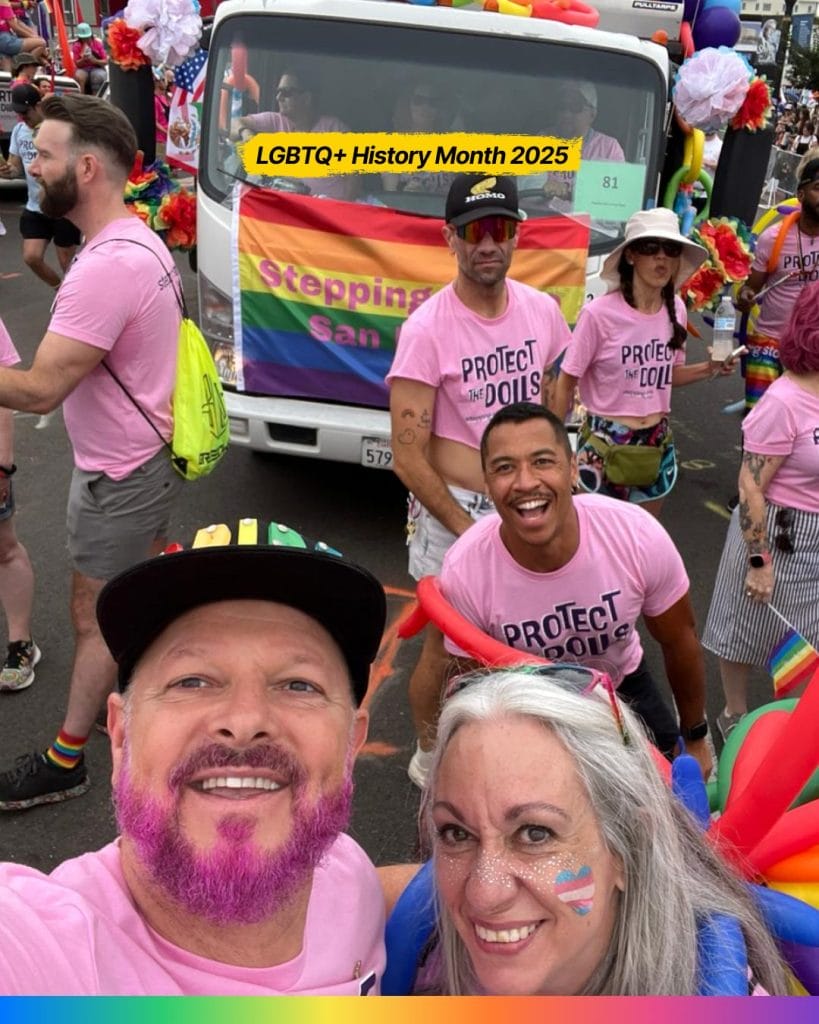
As we close out this week honoring LGBTQ+ History Month in San Diego, we want to talk about the future we’re building together — one where every LGBTQ+ individual in San Diego knows that affirming, comprehensive recovery is available when they need it.
This future honors the legacy of those who created underground support networks when formal programs shut them out. It honors those who built recovery infrastructure during the AIDS crisis while grieving unimaginable loss. It honors the activists who demanded research that validated our community’s experiences. And it honors everyone who fought for the right to recover without hiding.
The future we’re building looks like this:
- Young people discovering their identity while learning recovery skills, supported rather than shamed.
- Trans and nonbinary individuals accessing care that affirms their gender while addressing substance use and mental health.
- LGBTQ+ people of color finding services that understand the intersection of all their identities.
- Families learning how to support their LGBTQ+ loved ones in recovery.
- A community where seeking help is a sign of strength, not shame.
- Treatment that addresses trauma, builds resilience, and celebrates authenticity.
- A San Diego where “LGBTQ+ recovery services” isn’t a specialty niche — it’s an expected standard of care.
At Stepping Stone, we’re committed to this future. Through our substance use treatment, mental health services, and sober living programs, we provide the comprehensive, identity-affirming care that five decades of community wisdom and clinical research tell us actually works.
But we can’t do it alone. This future requires all of us: people willing to seek help when they need it, families willing to learn and support, providers willing to offer affirming care, donors willing to invest in services that save lives, and a community willing to say loudly that LGBTQ+ recovery matters.
Recovery is possible. Community is powerful. Your identity is sacred. And you belong here, exactly as you are.
If you or someone you love needs support, reach out. Let’s build this future together.
